TinkerBench is reader-supported. When you buy through links on our site, we may earn an affiliate commission.
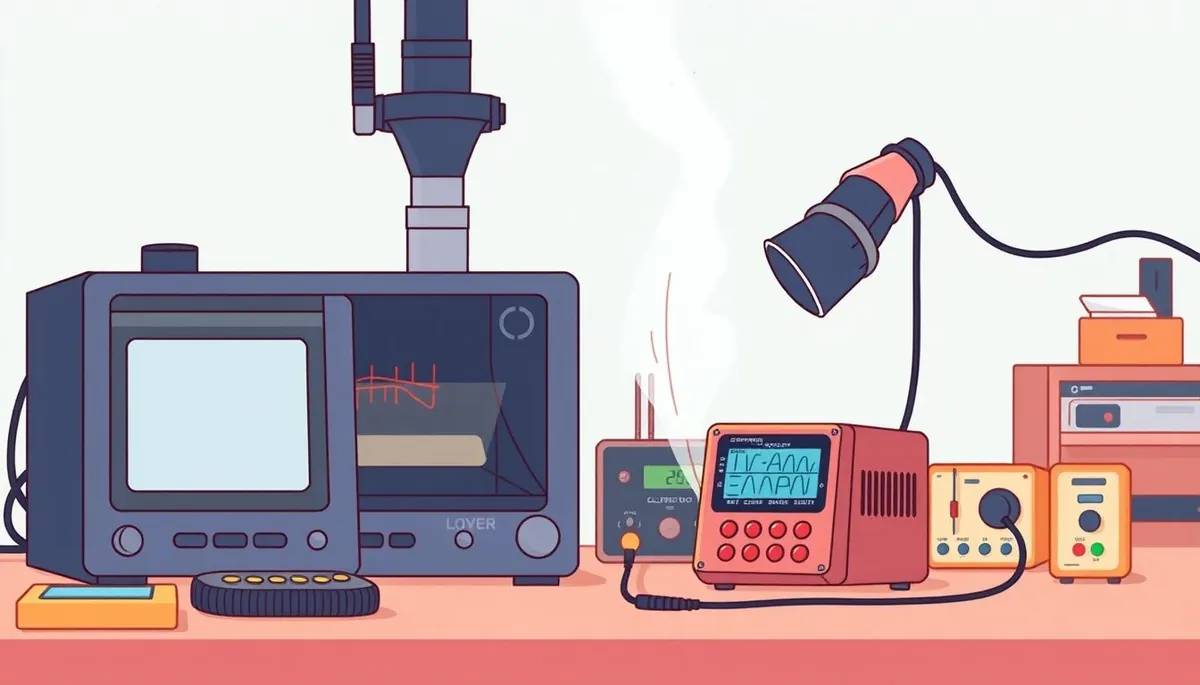
Soldering is a cornerstone skill for any electronics hobbyist, but it comes with a hidden danger: solder fumes. These fumes, produced when the flux in solder vaporizes, contain rosin and other potentially harmful chemicals. A dedicated soldering fume extractor is the best way to protect yourself, but is it always necessary? And if so, should you build one, buy one, or can you get away with skipping it altogether? Let’s break it down.
The Risks of Solder Fumes
Phone cases · Sponsored
Phone Cases For All — 50,000+ designs. 15% off code FIRST15ALL
Solder fumes are more than just an unpleasant smell. They contain a cocktail of irritants and potentially harmful substances including:
- Rosin: Rosin is the primary component of most solder fluxes and is a known respiratory irritant. In sensitive individuals, exposure can lead to asthma, allergic reactions, and chronic coughing.
- Metal particles: While lead-free solder is becoming more common, many solders still contain lead, tin, and other metals. Inhaling these particles can lead to long-term health problems.
- Volatile organic compounds (VOCs): The high temperatures involved in soldering release VOCs from the flux, which can contribute to indoor air pollution and respiratory irritation.
While occasional soldering in a well-ventilated area might not pose a significant risk, frequent soldering, especially in enclosed spaces, necessitates proper fume extraction. Think of it like this: a single campfire isn’t a big deal, but breathing campfire smoke every day is.
DIY Fume Extractor: The Budget-Friendly Option
Building your own soldering fume extractor can be a rewarding project and a cost-effective alternative to commercial units. The core components are relatively simple:
- Fan: A low-noise PC fan (120mm or larger) is a good starting point. Look for one with a decent CFM (cubic feet per minute) rating for adequate airflow. Scavenging one from an old computer power supply [/products/b014w3emao-thermaltake-smart-600w-atx-12v-v2-3-eps-12v-80-plus-certifie/] is even cheaper.
- Filter: The filter is the most crucial part. A combination of activated carbon and particulate filters is ideal. Activated carbon absorbs the VOCs and odors, while the particulate filter captures the rosin particles. You can find pre-cut filter pads designed for fume extractors or create your own using activated carbon sheets and HEPA filter material.
- Housing: The housing directs airflow and holds the fan and filter in place. You can build one from wood, acrylic, or even repurposed containers. A simple cardboard box can work in a pinch, but a more robust enclosure will be more durable and effective. A bent piece of sheet metal works well.
Here’s a basic DIY fume extractor build:
- Cut an opening in your housing to accommodate the fan.
- Mount the fan to the housing, ensuring it blows air through the filter.
- Create a filter holder inside the housing to secure the filter pad.
- Position the extractor close to your soldering area, ideally 4-6 inches away from the work.
Pros of DIY
- Cost-effective: A DIY extractor can be built for a fraction of the cost of a commercial unit. You can often scavenge parts for free or very cheaply.
- Customizable: You can tailor the design to your specific needs and workspace.
- Educational: Building your own extractor is a great way to learn about electronics and air filtration.
Cons of DIY
- Effectiveness Variance: The performance of a DIY extractor can vary significantly depending on the components used and the build quality. It might not be as effective as a commercial unit in removing all fumes.
- Time and effort: Building a DIY extractor takes time and effort. You’ll need to source the parts, design the housing, and assemble everything.
- Filter Maintenance: You’ll need to source replacement filters and replace them regularly.
Commercial Fume Extractors: Convenience and Performance
Phone cases · Sponsored
Phone Cases For All — 50,000+ designs. 15% off code FIRST15ALL
Commercial soldering fume extractors are readily available in various sizes and configurations. They typically consist of a fan, a filter system, and a flexible arm or nozzle to position the extractor close to the soldering area.
Types of Commercial Extractors
- Benchtop Extractors: These are compact units designed to sit on your workbench. They often feature adjustable arms and nozzles for precise fume capture.
- Standalone Extractors: These are larger, more powerful units that can be used in larger workspaces or for more demanding soldering applications.
- Portable Extractors: These are compact and lightweight units that can be easily moved around. They are ideal for soldering on the go or in different locations.
Pros of Commercial Extractors
- High performance: Commercial extractors are designed to effectively remove solder fumes and are often tested and certified to meet specific air quality standards.
- Convenience: They are ready to use out of the box, requiring minimal assembly.
- Features: Many commercial extractors offer features such as adjustable airflow, filter replacement indicators, and noise reduction technology.
Cons of Commercial Extractors
- Cost: Commercial extractors can be significantly more expensive than DIY options.
- Size: Some commercial extractors can be bulky and take up valuable workbench space.
- Noise: Some models can be noisy, especially at higher airflow settings.
When Can You Skip the Fume Extractor?
While a fume extractor is generally recommended for soldering, there are situations where you might be able to skip it – carefully.
- Occasional soldering in a well-ventilated area: If you only solder occasionally and have access to a well-ventilated area (e.g., outdoors or near an open window with a fan blowing away from you), the risk of fume exposure is minimal.
- Lead-free solder with minimal flux: Lead-free solder generally produces fewer fumes than leaded solder. Using solder with minimal flux can also reduce fume production.
- Short soldering sessions: If you only solder for short periods (e.g., less than 15 minutes) and take frequent breaks, the cumulative exposure to fumes will be lower.
However, even in these situations, it’s important to be aware of the risks and take precautions. Consider wearing a respirator mask or using a small fan to direct fumes away from your face. Err on the side of caution. A headache is a sign of overexposure.
The Verdict: Build, Buy, or Skip?
Phone cases · Sponsored
Phone Cases For All — 50,000+ designs. 15% off code FIRST15ALL
Here’s a quick guide to help you decide:
- Beginner soldering occasionally: Start with good ventilation and consider a DIY fume extractor for a low-cost solution.
- Intermediate soldering regularly: Invest in a commercial benchtop fume extractor for optimal performance and convenience.
- Professional soldering daily: Opt for a standalone fume extractor with advanced filtration and features for long-term health and safety.
- Soldering outdoors or with lead-free solder infrequently: Monitor ventilation and duration; a simple fan pointing away from you may suffice.
Ultimately, the decision of whether to build, buy, or skip a soldering fume extractor depends on your individual needs, budget, and risk tolerance. However, prioritizing your health and safety is always the best approach. If you’re unsure, err on the side of caution and invest in a fume extractor. Your lungs will thank you. For more projects to enhance your workspace, consider our guide to the best Arduino starter kit for a 12 year old, which includes tips on setting up a safe and organized electronics bench.
Our picks worth a closer look
- Dawn Ultra Dish Soap, Original Scent, 75 fl oz (2-Pack)Check on Amazon → — see current price and specs.
- Scott 1000 Sheets Per Roll Toilet Paper, 36 RollsCheck on Amazon → — see current price and specs.
- Hakko FX-888D Digital Soldering Station with FX-8801 TipCheck on Amazon → — see current price and specs.
- Amazon Basics AA Performance Alkaline Batteries, 48-CountCheck on Amazon → — see current price and specs.
