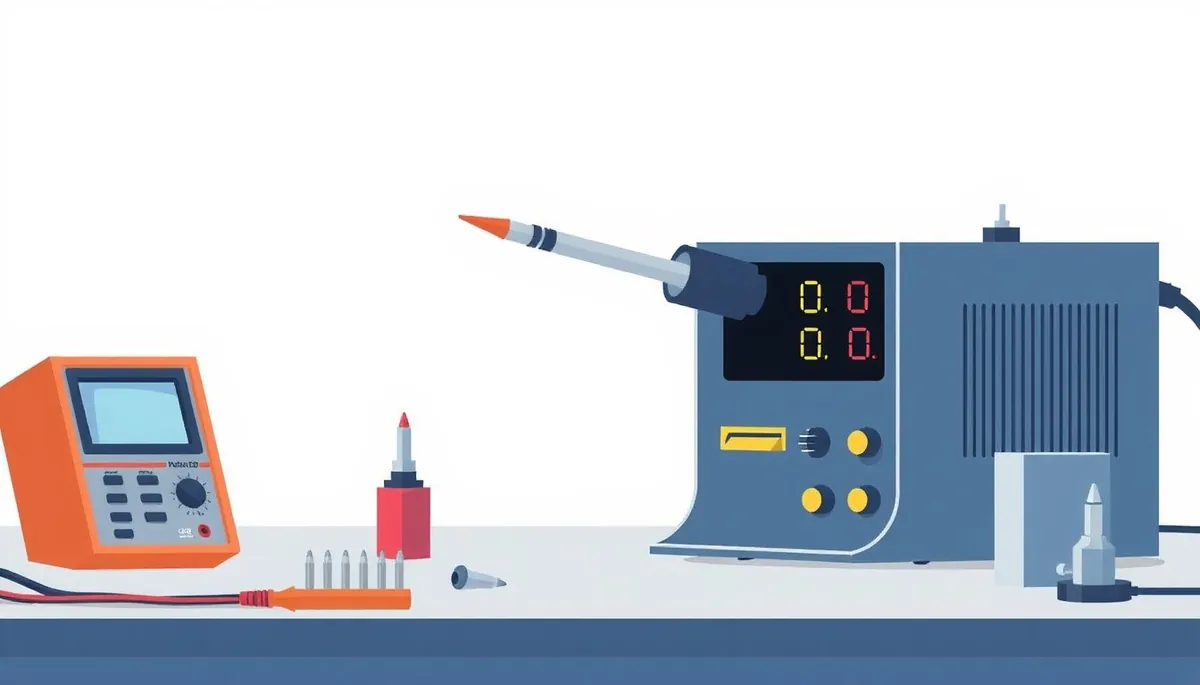
Soldering iron tips are the heart of your soldering station, and their condition dramatically affects solder joint quality, work speed, and overall satisfaction. Yet many hobbyists and technicians struggle with tips that prematurely degrade—becoming pitted, oxidized, or broken—leading to frustrating reworks and unplanned expenses. This article covers essential soldering station tip maintenance practices that actually extend tip life, focusing on realistic, no-nonsense steps backed by practical experience.
What Is Soldering Tip Maintenance?
Phone cases · Sponsored
Phone Cases For All — 50,000+ designs. 15% off code FIRST15ALL
Soldering tip maintenance refers to the regular care routine that helps keep your soldering iron tip in good working condition. The goal is to avoid oxidation, corrosion, and physical damage that reduce thermal conductivity and shorten the tip’s effective lifespan. Maintenance involves cleaning, proper storage, using the right solder and flux, and employing techniques that prevent overheating.
See also: 7. Reflow soldering with a cheap toaster oven: does it actually work?
Why Does Tip Maintenance Matter?
Poor tip maintenance causes:
- Excessive oxidation reducing heat transfer.
- Tip degradation through pitting and erosion.
- Unreliable solder joints due to uneven heat.
- Increased downtime changing tips.
- Extra costs replacing tips frequently.
In practice, proper tip maintenance lets you solder faster, with better quality joints, without spending more on consumables.
How Does a Soldering Tip Degrade?
Phone cases · Sponsored
Phone Cases For All — 50,000+ designs. 15% off code FIRST15ALL
Understanding tip degradation helps focus maintenance:
- Oxidation: Iron in the tip reacts with oxygen at high heat forming oxides, which act like thermal insulators.
- Physical damage: Scraping tip surfaces with hard tools, excessive pressure, or aggressive brushing erode plating.
- Thermal shock: Heating to excessively high temperatures repeatedly breaks down tip plating and core materials.
- Contamination: Flux residues and other chemicals can corrode the tip or form insulating layers.
Preventing these modes is the core of extending tip life.
6 Essential Steps for Extending Soldering Tip Life
Follow these practical steps every soldering session to get the maximum lifespan from your tips.
1. Use the Correct Working Temperature
Most damage comes from excessive heat. Set your soldering station to the lowest possible temperature that still allows good solder flow (typically 300–350°C for leaded solder, 340–370°C for lead-free). Avoid cranking the temperature above 400°C except for specialized tasks, and don’t leave the iron idling at full heat for long periods.
2. Keep the Tip Properly Tinned
Tinning means coating the tip with a thin layer of solder whenever it’s hot and cooled down slightly. This layer protects the iron plating from oxidation. When you start your session, let the tip heat, then apply solder evenly to form a shiny protective coating. Re-tin frequently during work, especially before turning the iron off.
3. Clean the Tip Regularly — But Gently
Use a wet sponge or brass wire tip cleaner to remove oxidation and residue during soldering. Avoid harsh abrasive tools or metal files that remove protective plating. Brass wool or copper sponge cleaning is preferable because it removes residue without scraping the tip’s metal layer.
4. Use Proper Solder and Flux
Use high-quality solder with a flux core suited for electronics work. Avoid rosin-free solder or fluxes that leave corrosive residues. A good flux promotes wetting and reduces the temperature needed to form a reliable joint, reducing tip degradation. If you need extra flux, apply it sparingly.
5. Power Down or Use Sleep Mode When Idle
If your soldering station has a sleep or power-down feature, use it. Prolonged exposure to elevated heat when not soldering accelerates oxidation. When manually turning off, clean and tin the tip and cool down before storage.
6. Store Tips Properly
Store the soldering iron in a holder with the tip tinned and clean. For longer breaks, consider wiping the tip with solder to keep it coated. Avoid storing tips in contact with moisture or corrosive environments.
Comparison Table: Cleaning Methods for Soldering Tips
Phone cases · Sponsored
Phone Cases For All — 50,000+ designs. 15% off code FIRST15ALL
| Cleaning Method | Effectiveness | Tip Wear Risk | Convenience | Use Case |
|---|---|---|---|---|
| Wet Sponge | Good | Low | High | General daily use |
| Brass Wire Cleaner | Very Good | Minimal | Moderate | Frequent cleaning during work |
| Dry Sponge/Brass Pad | Moderate | Moderate | Moderate | When water affects PCB or solder |
| Abrasive File/Steel Wool | Excellent (removes oxidation) | High | Low | Tip restoration only, avoid daily |
| Chemical Tip Cleaner | Good | Low | Low | Occasional de-oxidation |
Common Pitfalls to Avoid
- Leaving the iron hot and untinned when idle: This rapidly oxidizes the tip.
- Using mechanical abrasives casually: Files or hard scrubbing remove the plated layer and shorten life.
- Overheating: High temperatures can ruin the tip’s iron plating within minutes.
- Ignoring flux residues: Hardened fluxes can build up and insulate the tip.
- Using incorrect solder types: Some cheap solders contain contaminants that corrode the tip.
When Should You Replace a Soldering Tip?
Even with perfect maintenance, tips will eventually wear out. Replace your tip when:
- The plated surface has deep erosion or pitting.
- The tip no longer wets with solder despite cleaning.
- It becomes physically deformed or bent.
- Thermal performance noticeably declines impacting your work quality.
Using a worn tip often wastes time and risks bad joints, so timely replacement is part of good bench practice.
Frequently Asked Questions
Q: Can I clean a soldering tip with a file to restore it?
A: Avoid filing unless absolutely necessary. It removes the protective plating and shortens tip life. Instead, use brass wire cleaners or tip tinner pastes.
Q: How often should I tin my soldering tip during use?
A: Ideally, retin every minute or two of active work. This keeps oxidation at bay and maintains heat transfer.
Q: Does storing the tip in solder when powered down help?
A: Yes, coating the hot tip with solder before turning it off protects it from immediate oxidation during cooling.
By following these solid maintenance steps, you’ll extend the lifespan of your soldering station tips, get better solder joints, and save money on consumables. Consistency is key—incorporate these habits into every session to keep your iron performing at its best.
Our picks worth a closer look
- Hakko FX-888D Digital Soldering Station with FX-8801 TipCheck on Amazon → — see current price and specs.
- Dawn Ultra Dish Soap, Original Scent, 75 fl oz (2-Pack)Check on Amazon → — see current price and specs.
- Scott 1000 Sheets Per Roll Toilet Paper, 36 RollsCheck on Amazon → — see current price and specs.
- Amazon Basics AA Performance Alkaline Batteries, 48-CountCheck on Amazon → — see current price and specs.
- Tide PODS Laundry Detergent Soap Pods, Original Scent, 112 CountCheck on Amazon → — see current price and specs.
