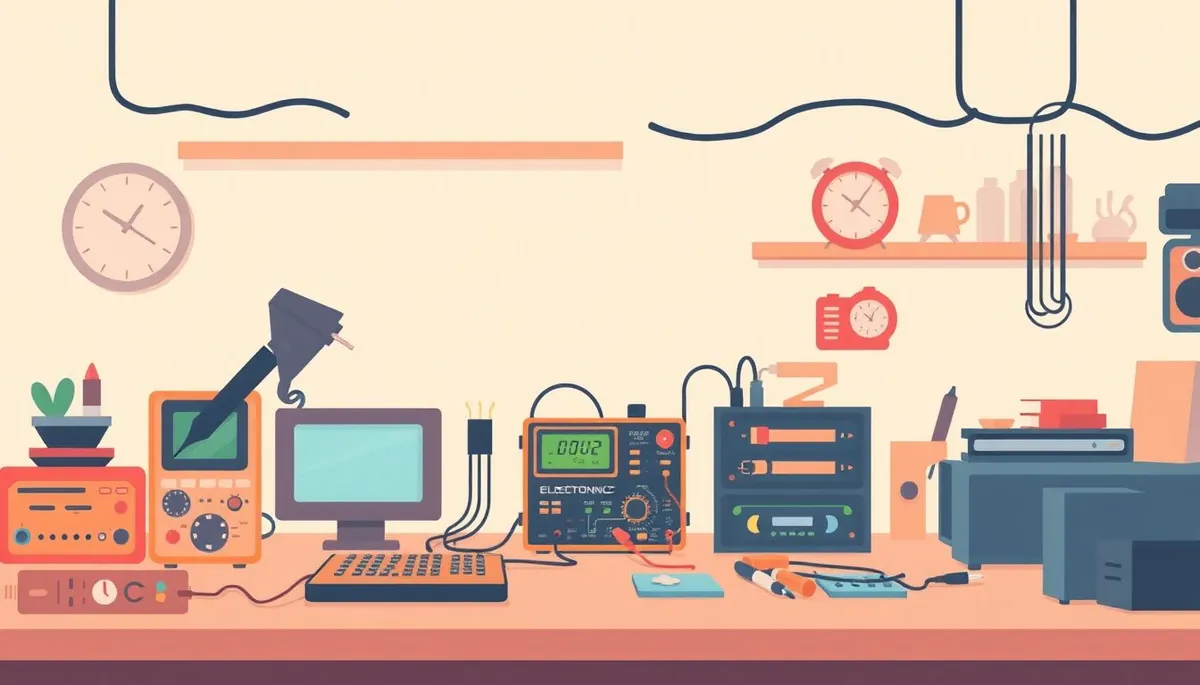
The hobby electronics scene is brimming with opportunity, yet many newcomers and even seasoned makers wonder why, despite all the tools and kits available, it sometimes feels overwhelming, fragmented, or even frustrating. In this article, we explore the dichotomy of the modern hobby electronics landscape—why it’s never been better in terms of accessibility, component variety, and innovation, but also where it has stumbled, especially around quality control, tool precision, and the learning curve. Understanding this balance helps you make smarter choices about tools, kits, and techniques to get the most from your bench time.
What the Modern Hobby Electronics Scene Looks Like
Phone cases · Sponsored
Phone Cases For All — 50,000+ designs. 15% off code FIRST15ALL
Today’s hobby electronics is a vast ecosystem. From beginners picking up DIY kits on a weekend to experienced bench technicians customizing their tools, the variety is staggering:
- Tools: Affordable digital multimeters, oscilloscopes with surprisingly high bandwidth, and temperature-controlled soldering stations.
- Components: Millions of parts available for a few cents, spread across countless online stores.
- Kits: From simple LED blinkers to advanced microcontroller-based projects.
- Resources: Tutorials, forums, YouTube channels, and open-source CAD files.
Despite this, the user experience isn’t always smooth. The quality, precision, and clarity often vary wildly, causing frustration and stalled projects.
Why It’s Never Been Better: Key Improvements in the Hobby Scene
-
Accessibility of Tools Affordable test equipment has democratized electronics experimentation. For under $200, hobbyists can get digital oscilloscopes with 50+ MHz bandwidth—enough to handle most microcontrollers and signal-level debugging. Digital multimeters now often boast true RMS readings, auto-ranging, and even Bluetooth connectivity for data logging.
-
Component Availability Global supply chains have expanded, allowing hobbyists to source nearly any standard component online. User-friendly marketplaces aggregate components with detailed datasheets, sometimes with user reviews and technical Q&A.
-
Educational Content & Community Sharing In decades past, knowledge was locked behind books and expensive classes. Now, free tutorials and step-by-step guides are everywhere. Platforms enable sharing projects, tips, code, and troubleshooting help.
-
Modular Kits & Platforms Open-source hardware and development boards mean projects can be built quickly and expanded modularly, lowering the barrier to entry.
Where the Hobby Electronics Scene Went Wrong: Persistent Challenges
Phone cases · Sponsored
Phone Cases For All — 50,000+ designs. 15% off code FIRST15ALL
-
Tool Precision vs. Cost Pressure Many hobby tools hit an aggressive price point, sacrificing accuracy or build quality. A $30 soldering iron may heat inconsistently, reducing tip life and risking component damage. Oscilloscopes under $100 often have downsampled signals or poor triggering, confusing beginners.
-
Overwhelming Component Choices While abundance is good, it also means lots of similar parts with slightly different specs, counterfeit or low-quality fakes, and fragmented datasheet information. Beginners struggle to choose the right capacitor type or transistor package without guidance.
-
Unclear Kit Completeness and Documentation Kits sometimes ship missing critical small parts, or have instructions that assume previous experience, frustrating novices.
-
Soldering Iron Tips and Consumables Confusion Many overlook the importance of tip quality and compatible replacements. Using the wrong tip or third-party refills can drastically shorten life and increase oxidation, leading to poor solder joints.
Balancing Precision, Longevity, and Affordability in Your Tools
A major factor where the scene falters is the trade-off between affordability and tool reliability/precision. Here’s a summarized view:
| Tool Category | Low-Cost Option | Mid-Range Option | Pro/Bench Option | When to Use Each |
|---|---|---|---|---|
| Soldering Iron | Budget stations, no temp control | Digital temp-controlled iron | Brand-name, replaceable tips, PID | Beginner hobbyists; better tip life and repeatability needed |
| Oscilloscope | Compact, low bandwidth (~20–40 MHz) | Desktop with 50–100 MHz BW | Industry-grade, 100+ MHz BW & advanced triggering | Simple MCU debugging vs RF/high-speed signals |
| Multimeter | Basic autoranging, no true RMS | True RMS, better component testing | Calibrated, lab-grade with precision probes | Hobbyist diagnostics to professional calibration |
| Cartridges/Tips | Generic third-party tips | Compatible brand-name cartridges | Official brand tips or custom alloys | When consistent iron tip performance is critical |
Practical Advice: Getting What You Actually Need
Phone cases · Sponsored
Phone Cases For All — 50,000+ designs. 15% off code FIRST15ALL
To navigate this complexity, consider the following:
- Start with solid basics: A temperature-controlled soldering iron with decent tips and a digital multimeter with true RMS reading cover 90% of needs.
- Oscilloscope bandwidth matters: If you’re mostly dealing with microcontrollers running up to a few MHz, a 50 MHz scope is sufficient. Don’t overspend chasing bandwidth you won’t use.
- Research kit origin: Prefer kits with detailed BOMs, user feedback on completeness, and clear educational value rather than flashiness.
- Spend wisely on consumables: Solder tip life affects solder joint quality and your iron’s lifespan. Brand-name compatible tips may cost more but save money long-term.
- Use community resources: Forums and project repositories often reveal quality-tested kits, tools, and tips that can save hours of trial and error.
Why Precision and Quality Over Cool Features
It’s tempting to buy flashy tools or kits loaded with features. But:
- A soldering iron with reliable temperature control prolongs tip life and prevents damage to sensitive components.
- A multimeter with true RMS ensures accurate readings on AC signals with complex waveforms, preventing diagnosis errors.
- Oscilloscopes that don’t accurately sample or trigger can confuse you and derail debugging.
- High-quality kits reduce the time spent troubleshooting missing parts or unclear instructions.
Getting the right tool for your actual projects and skill level will help your learning curve, reduce frustration, and increase project success.
Frequently Asked Questions
Q: What’s the minimum soldering iron tip temperature for most electronics work?
A: Around 350°C (662°F) is typical for through-hole and surface mount soldering. Lower temps can cause poor wetting; higher temps may damage components or tips.
Q: Do I need a high-bandwidth oscilloscope for Arduino projects?
A: Not usually. Since many Arduino signals are <20 MHz, a 50 MHz scope is sufficient and more affordable, yielding clear signals without excessive cost.
Q: How do I know if a hobby kit is worth buying?
A: Look for kits with thorough component listings, good documentation, community reviews, and support channels. Avoid kits with vague instructions or those lacking key parts like resistors or connectors.
Balancing quality, precision, and cost in hobby electronics will always be a nuanced challenge. The scene’s growth and improved resource availability have lowered barriers significantly. Recognizing where shortcuts get in the way—and investing in reliable, precise tools and well-supported kits—can save you time, extend your tools’ lifespan, and make your projects more successful. The hobby electronics scene has never been better according to these criteria, but navigating it wisely is key to enjoying that progress.
Our picks worth a closer look
- Amazon Basics AA Performance Alkaline Batteries, 48-CountCheck on Amazon → — see current price and specs.
- Dawn Ultra Dish Soap, Original Scent, 75 fl oz (2-Pack)Check on Amazon → — see current price and specs.
- Scott 1000 Sheets Per Roll Toilet Paper, 36 RollsCheck on Amazon → — see current price and specs.
- Hakko FX-888D Digital Soldering Station with FX-8801 TipCheck on Amazon → — see current price and specs.
- Tide PODS Laundry Detergent Soap Pods, Original Scent, 112 CountCheck on Amazon → — see current price and specs.
