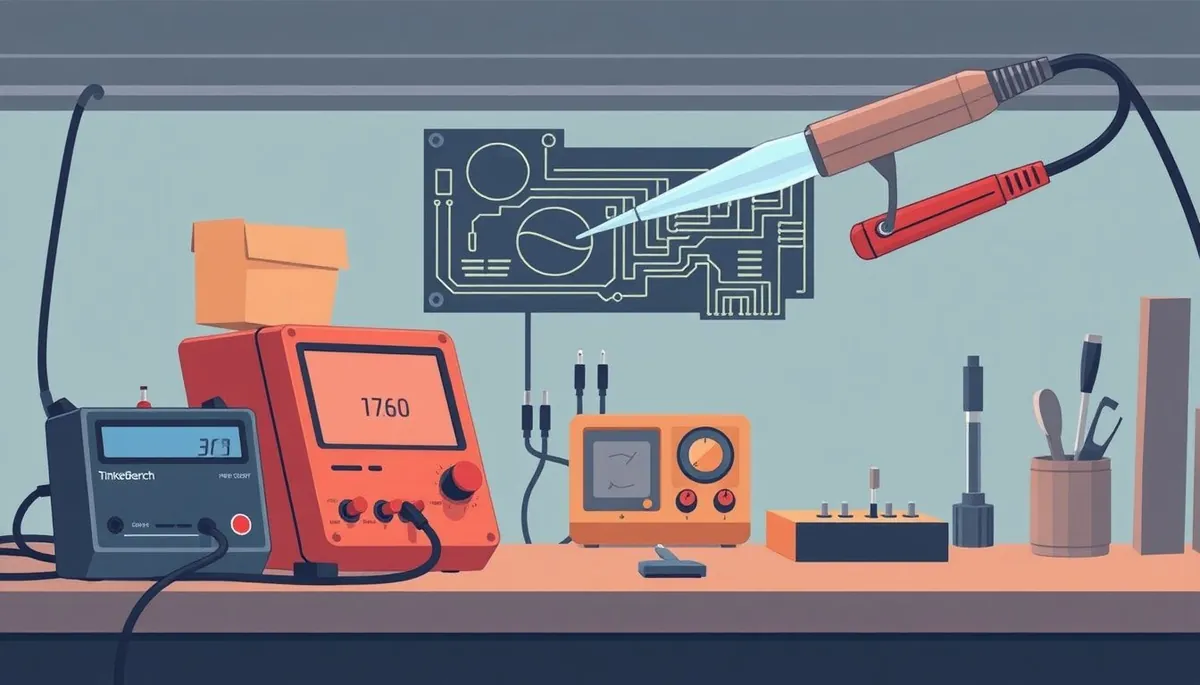
Cheap soldering irons are notorious among hobbyists and bench techs for producing cold, bridged, or weak joints that fail in operation or need rework. If you’ve been frustrated by joints that just don’t flow well or irons that burn out tips quickly, the problem is rarely your skill but often the tool itself. This article breaks down why inexpensive soldering irons cause these problems and offers practical tips to fix or upgrade your setup for reliable soldering performance.
What’s Wrong with Cheap Soldering Irons?
Phone cases · Sponsored
Phone Cases For All — 50,000+ designs. 15% off code FIRST15ALL
The core issues with budget soldering irons usually stem from poor temperature control, inferior heating elements, and low-quality soldering tips. When the iron’s temperature isn’t stable or consistent, the solder either doesn’t melt properly or overheats components and pads, causing havoc on your PCBs and connections.
Key symptoms of cheap iron failures:
- Solder joints that look dull or grainy (cold joints)
- Solder that doesn’t wick properly onto pads and leads
- Burned or peeling PCB traces
- Tips that degrade or oxidize very fast, requiring frequent cleaning or replacement
- Excessive heat-up and cooldown times, affecting workflow efficiency
See also: Best Soldering Irons for Beginners: 30-Hour Bench Tests of the Hakko, Pinecil,
How Cheap Soldering Irons Work (and Fail)
Affordable irons typically use simple resistive heating elements with no or minimal temperature feedback. This means they rely on a fixed power input to the heater without adjusting based on actual tip temperature.
Why does this matter?
-
No temperature regulation = temperature swings. When placed on the joint, the tip cools drastically, and the heater has to work harder to recover. Without temperature control, it either runs too hot between joints or too cold on them.
-
Slow thermal recovery. Poor heating elements are often slow to regain set temperature after heat loss, prolonging solder time and stressing components.
-
Inferior tip materials and plating. Cheap irons often have tips plated with low-quality iron plating or brass cores, which oxidize quickly, losing thermal conductivity and shortening tip life.
How to Fix Your Cheap Soldering Iron Problems
Phone cases · Sponsored
Phone Cases For All — 50,000+ designs. 15% off code FIRST15ALL
While upgrading to a professional soldering station is ideal, there are practical improvements and fixes that can significantly elevate your soldering quality without breaking the bank.
1. Improve Your Soldering Tips
- Use brand-name compatible cartridges or higher-quality tips. They retain heat better and resist oxidation, enabling smoother solder joints.
- Clean tips frequently but gently. Use a damp natural sponge or brass tip cleaner to maintain thermal transfer without prematurely wearing plating.
- Tin your tip whenever idle. A thin layer of solder protects the tip surface from oxidation.
2. Add External Temperature Control (If Possible)
Some low-cost irons can be retrofitted or paired with temperature controllers or PID units that regulate power to the heater based on tip thermocouples or thermistors — minimizing overheating or temperature drop.
If that’s not an option:
- Manual temperature management: Work in bursts, avoiding continuous heating, and let the iron rest periodically.
- Preheat components carefully: Use a helping hand or thermal sinks to prevent sudden tip temperature drops on large or heavy copper pours.
3. Use Correct Solder and Flux
- Avoid low-quality or lead-free solder alloys that have higher melting points and require more stable heat.
- Use quality flux-core solder or add an external flux pen to improve wetting and reduce cold joints.
4. Maintain Appropriate Working Technique
- Ensure good thermal contact between iron tip, component lead, and pad.
- Heat the joint, not just the solder.
- Feed solder to the heated joint, letting it flow by capillary action — not directly on the iron tip.
Comparison at a Glance: Cheap vs. Mid-Range Soldering Irons
| Feature | Cheap Soldering Iron | Mid-Range Soldering Station | Practical Impact |
|---|---|---|---|
| Temperature Control | None or basic thermostatic | Digital PID with stable temperature setting | Consistent heating for reliable joints |
| Tip Quality | Brass or low-quality plating | Iron-plated copper-core tips, cartridges available | Longer tip life, better heat transfer |
| Thermal Recovery | Slow | Fast, responsive | Faster soldering, less risk of cold joints |
| Temperature Range | Single fixed temperature | Adjustable 200°C - 480°C | Adaptability for various solders/components |
| Ergonomics | Basic handle, heavy | Lightweight, ergonomic handpiece | More control and comfort during use |
| Cost | $10-$20 | $60-$150 | Investment for durability and precision |
When Should You Upgrade or Replace Your Cheap Soldering Iron
Phone cases · Sponsored
Phone Cases For All — 50,000+ designs. 15% off code FIRST15ALL
- If you consistently produce poor-quality joints despite good techniques and proper solder.
- If tip degradation requires replacement weekly or tips stop tinning properly.
- When working with sensitive electronics that require precise temperature control.
- If you are ready to accelerate your learning curve by working more efficiently and confidently.
Even a modest upgrade to a simple soldering station with PID temperature control can reduce joint failures dramatically and prolong your tip and iron lifespan, paying dividends in better project outcomes.
Frequently Asked Questions
Q: Can I fix cold solder joints by heating longer with a cheap iron?
A: No. Heating longer with an unstable iron usually worsens cold joints by damaging the pad or component lead. Proper temperature control and technique are key.
Q: Will using a third-party compatible tip improve my cheap soldering iron?
A: Yes, higher quality compatible tips with proper plating can improve heat transfer and solder flow even on budget irons.
Q: How often should I clean and tin my soldering tip?
A: Clean the tip after every 1-3 joints and tin it whenever idle for more than a minute to prevent oxidation and maintain thermal conductivity.
By understanding the real limits of cheap soldering irons and applying targeted fixes or upgrades, hobbyists and techs can vastly improve joint quality without overspending. Reliable soldering starts with the right tools — and proper care of those tools — not just flashy features or marketing claims.
Our picks worth a closer look
- Pine64 Pinecil Smart Mini Portable Soldering Iron V2Check on Amazon → — see current price and specs.
- Dawn Ultra Dish Soap, Original Scent, 75 fl oz (2-Pack)Check on Amazon → — see current price and specs.
- Scott 1000 Sheets Per Roll Toilet Paper, 36 RollsCheck on Amazon → — see current price and specs.
- Hakko FX-888D Digital Soldering Station with FX-8801 TipCheck on Amazon → — see current price and specs.
- Amazon Basics AA Performance Alkaline Batteries, 48-CountCheck on Amazon → — see current price and specs.
