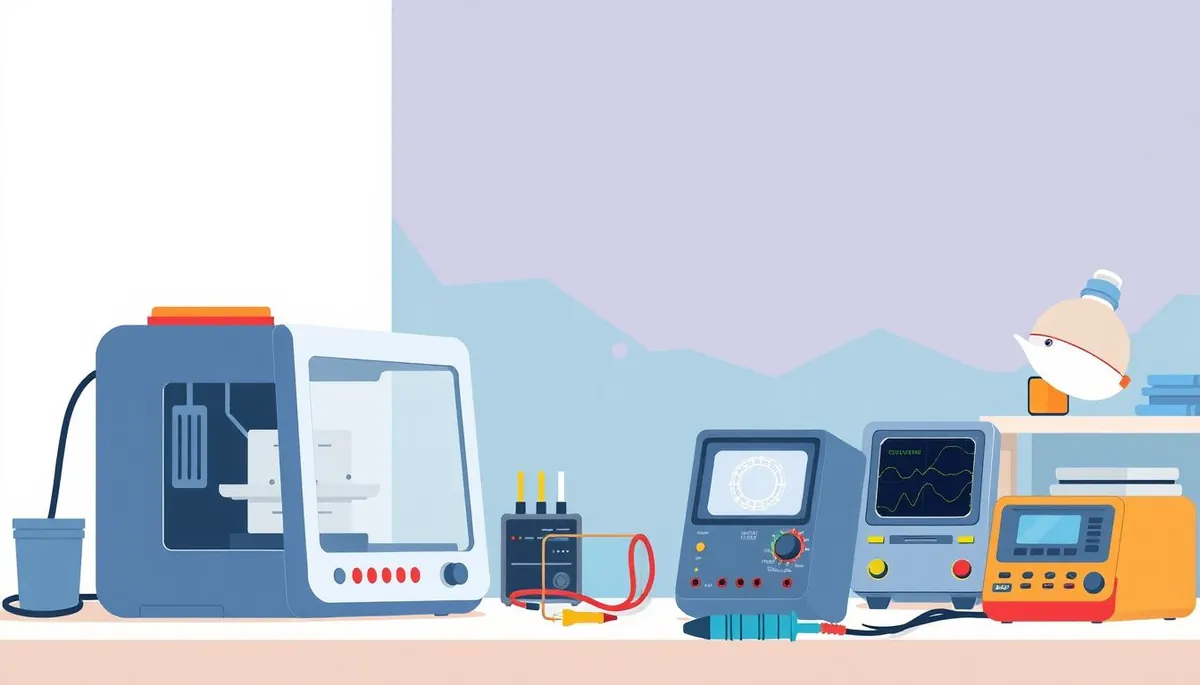
If you own a 3D printer, you’ll inevitably face the decision of whether to repair a malfunctioning machine or replace it entirely. This dilemma is common among hobbyists, kit builders, and even bench technicians who depend on reliable output without wasting time and resources on endless troubleshooting. Knowing when a 3D printer should be repaired versus when it’s more practical—or economical—to replace it can save you frustration and money in the long run.
What It Is: Repairing vs. Replacing a 3D Printer
Phone cases · Sponsored
Phone Cases For All — 50,000+ designs. 15% off code FIRST15ALL
Repairing a 3D printer typically involves fixing or swapping out malfunctioning components such as the print head, heated bed, controller board, stepper motors, belts, or wiring. Replacement means buying a new machine, which can range from a budget-friendly model to an advanced printer with upgraded features.
Knowing the difference helps you make an informed decision based on cost, downtime, available parts, and the printer’s overall condition.
See also: 8. Through-hole vs surface-mount soldering for beginners
How It Works: Assessing Repair or Replacement
Before deciding, conduct a thorough assessment of your printer’s condition:
- Check Hardware Damage: Mechanical failures (e.g., broken frame, bent rods) might be costly to fix or impossible with DIY repair.
- Evaluate Electronics: Faulty control boards or sensors can sometimes be replaced, but are often expensive or discontinued for older models.
- Assess Print Quality Issues: Poor print quality can stem from worn nozzles, damaged belts, or software settings. Some of these issues can be fixed easily.
- Consider Age & Usage: Older printers that have seen heavy use may have many components near end-of-life, increasing cumulative repair costs.
- Availability of Replacement Parts: If the manufacturer no longer supports the printer or parts are scarce, repairs may be impractical.
- Cost vs. New Printer Price: Adding up repair costs and expected future maintenance versus buying a modern machine with a warranty.
- Technological Obsolescence: Newer printers may offer better print resolution, speed, and features, making replacement more attractive.
When to Repair Your 3D Printer
Phone cases · Sponsored
Phone Cases For All — 50,000+ designs. 15% off code FIRST15ALLRepair is often the first option for minor malfunctions or when you have the skills and parts readily available. Situations that favor repair include:
- Simple Component Replacement: Swapping nozzles, belts, or fans is affordable and easy.
- Electronics Repairs with Available Parts: If the mainboard or display panel can be replaced and parts remain in stock.
- Mechanical Adjustments and Calibrations: Fixing loose belts, busted rods, or recalibrating the printer.
- Firmware and Software Fixes: Sometimes the problem can be corrected by updating or rolling back firmware without hardware changes.
- Sentimental or Highly Customized Machines: If the printer has custom modifications or sentimental value, repairing might make more sense.
- Budget Constraints: Repair saves money upfront and extends current hardware life.
When to Replace Your 3D Printer
Replacing your printer is advisable when:
- Multiple Components Fail: If fixing one part leads to another failure shortly after, it indicates a worn-out system.
- Obsolete Model: Lack of manufacturer support, software updates, or availability of parts.
- High Repair Costs: When repair expenses exceed 50-70% of the price of a new machine.
- Poor Print Quality Despite Repairs: Persistent quality issues that can’t be solved by recalibration or parts replacement.
- Upgrading Technology: You need higher precision, larger build volume, or advanced features that your current printer can’t provide.
- Excessive Downtime: Frequent repairs cause significant project delays and downtime.
- Better Warranty and Support: A new printer often comes with a warranty and better customer support, reducing future risks.
Here’s a straightforward comparison table outlining typical considerations:
| Aspect | Repair | Replacement |
|---|---|---|
| Cost | Generally lower for minor fixes | High initial investment |
| Downtime | Short if parts available | May be longer due to acquisition |
| Parts Availability | Good for commonly replaced parts | New printer includes all parts |
| Technology Upgrade | Limited to same model/tech | Opportunity for latest features |
| Risk of Recurring Issues | Higher if printer is old or multiple parts failing | Lower, new machine expected to be reliable |
| Required Skill | Needs some troubleshooting knowledge | Less technical effort initially |
| Warranty | Usually none on parts | Comes with manufacturer warranty |
| Long-term Reliability | Decreases with repeated repairs | Starts fresh with new hardware |
Common Pitfalls to Avoid When Deciding
Phone cases · Sponsored
Phone Cases For All — 50,000+ designs. 15% off code FIRST15ALL
- Throwing Money at a Dying Printer: Continually repairing obsolete or heavily used machines adds up and delays productivity.
- Ignoring Software/Firmware Causes: Sometimes what appears as hardware failure is software-related.
- Waiting Too Long to Replace: Postponing replacement can result in extended downtime, lost parts availability, and more frustrating failures.
- Overlooking Maintenance: Regular cleaning, calibration, and preventative maintenance prolong printer life and help identify problems early.
- Buying the Cheapest Replacement without Research: Upgrading to a low-cost machine without considering print volume, precision, or support can feel worse than repairing your current printer.
Practical Decision-Making Steps
- Diagnose Accurately: Use test prints, calibration procedures, and hardware inspection.
- Get Repair Quotes: Include parts, labor, and potential downtime.
- Research New Printer Options: Compare features, build volume, print quality, support, and price.
- Estimate Future Maintenance: Older printers tend to need ongoing repairs.
- Make a Holistic Decision: Factor in your budget, project needs, and long-term goals.
Frequently Asked Questions
Q: How often should I expect to replace parts in a 3D printer?
A: Consumables like nozzles and build surfaces wear frequently and should be replaced every 50-200 printing hours depending on filament and usage. Mechanical parts like belts or rods last longer but depend on usage conditions.
Q: Is it better to repair an old printer or just get a new one?
A: If repair costs approach half the price of a new printer or if multiple failures occur, replacement is generally more economical and less frustrating in the long term.
Q: Can software issues mimic hardware failures in 3D printers?
A: Yes. Firmware bugs, incorrect slicer settings, or communication errors between PC and printer can cause print failures that seem like hardware problems but can be fixed with software updates or configuration changes.
Deciding when to repair versus replace your 3D printer comes down to a careful balance of cost, downtime, printer condition, and your printing needs. By regularly maintaining your printer and accurately diagnosing issues, you can extend its useful life—but when the repairs pile up or capabilities no longer meet your goals, it’s time to invest in new hardware for more reliable and higher-quality prints.
Our picks worth a closer look
- Dawn Ultra Dish Soap, Original Scent, 75 fl oz (2-Pack)Check on Amazon → — see current price and specs.
- Scott 1000 Sheets Per Roll Toilet Paper, 36 RollsCheck on Amazon → — see current price and specs.
- Amazon Basics AA Performance Alkaline Batteries, 48-CountCheck on Amazon → — see current price and specs.
- Tide PODS Laundry Detergent Soap Pods, Original Scent, 112 CountCheck on Amazon → — see current price and specs.
