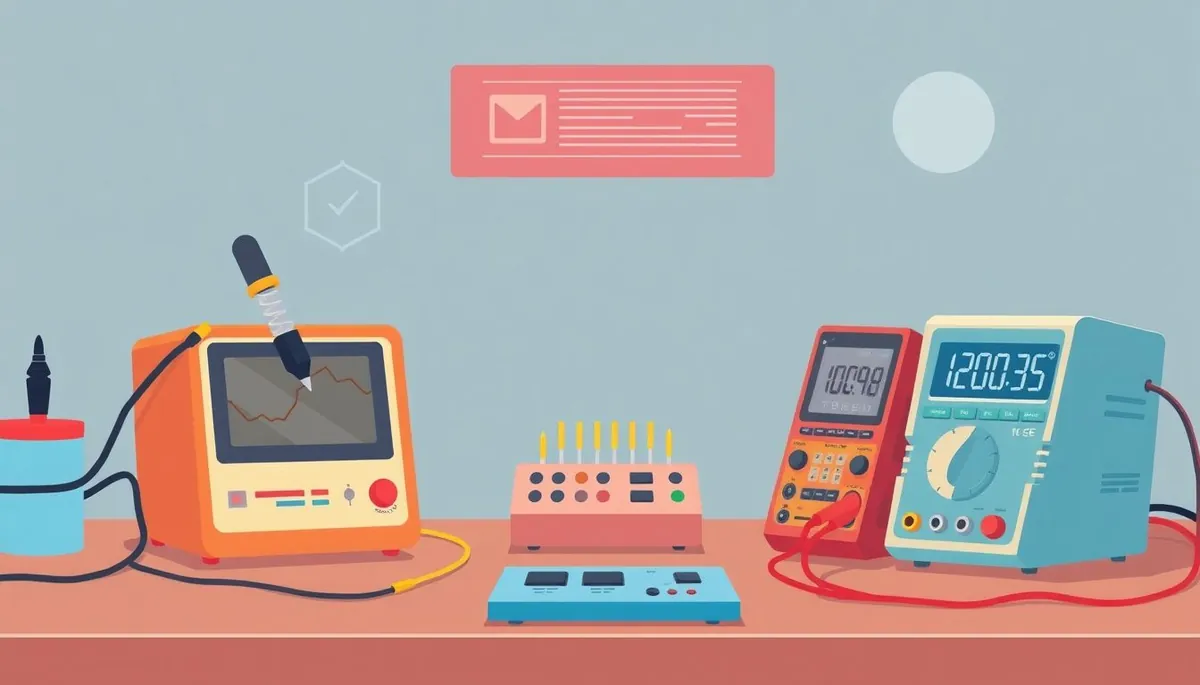
If you’ve been soldering for a while or just getting started and are looking to upgrade your iron, you’ve likely wondered whether it’s worth spending over $100 on a brand-name station or if a more affordable unit can get you the job done. The Pine64 Pinecil V2 and the Hakko FX-888D are two popular irons at very different price points — around $25 for the Pinecil V2 and roughly $125 for the Hakko FX-888D. This comparison breaks down what you gain and lose in that price difference so you can make a practical, informed choice for your bench.
What They Are
Phone cases · Sponsored
Phone Cases For All — 50,000+ designs. 15% off code FIRST15ALL
-
Pine64 Pinecil V2: A compact, portable soldering iron designed with hobbyists and makers in mind. Known for its USB-C power input and open-source firmware, it appeals to tinkerers who value flexibility and affordability. The V2 iteration improves on the original Pinecil with better performance and a wider range of compatible tips.
-
Hakko FX-888D: A proven, mid-range desktop soldering station favored by electronics professionals, repair technicians, and serious hobbyists. It’s recognized for its reliable temperature control, solid build quality, and extensive range of compatible, long-life proprietary tips.
See also: Pinecil vs. Hakko FX-888D: Which Soldering Iron is Right for You?
How They Work
Pinecil V2
The Pinecil V2 uses an internal heating element controlled by a digital temperature regulation system. It supports USB Power Delivery input, allowing power from 30W up to 65W or more depending on the power adapter used. This flexibility means you can use a laptop charger or a USB-C battery pack for portability.
Its main benefits include compact size, open firmware for custom profiles and scripting, and compatibility with various third-party cartridge tips. Temperature accuracy is good, but it can fluctuate slightly under heavy soldering sessions.
Hakko FX-888D
The Hakko FX-888D is a traditional desktop soldering station with a dedicated power supply unit and a standalone base station for temperature control. It throttles power dynamically to maintain a steady, accurate temperature, improving joint quality and tip life. The iron features ceramic heating elements and a stable stand with tip cleaning sponge or brass wire inserts.
It uses proprietary cartridge tips known for durability and excellent thermal transfer — critical for heat-sensitive components and demanding tasks such as SMD rework or fine electronics assembly.
When to Use Each
Phone cases · Sponsored
Phone Cases For All — 50,000+ designs. 15% off code FIRST15ALL
Pinecil V2 — Best If You:
- Want an ultra-portable iron for fieldwork or cramped bench space
- Prefer a low initial investment to experiment with soldering projects
- Are comfortable updating firmware or tweaking settings occasionally
- Use a variety of power delivery sources (USB chargers, batteries)
- Don’t require extended continuous soldering sessions and prioritize convenience
Hakko FX-888D — Best If You:
- Need professional-grade temperature stability and accuracy
- Perform heavy daily soldering or frequent rework tasks that stress tip life
- Value a solid, ergonomic station with proven tip ecosystem and aftermarket support
- Want a straightforward, “set it and forget it” tool that works out of the box
- Build or repair complex electronics requiring clean, consistent joints
Comparison Table: Pinecil V2 vs Hakko FX-888D
| Feature | Pine64 Pinecil V2 | Hakko FX-888D | Notes |
|---|---|---|---|
| Price (Approx.) | $25 | $125 | Pinecil is roughly one fifth the cost |
| Power Input | USB-C Power Delivery (30-65W) | Dedicated AC power supply (70W) | Pinecil is portable; Hakko is bench-only |
| Temperature Range | 100°C – 400°C | 120°C – 480°C | Hakko offers wider top range |
| Temperature Stability | Moderate (±5-10°C) | High (±1-2°C) | Hakko better for sensitive jobs |
| Heating Element | Cartridge tip with nichrome heater | Ceramic heating element | Ceramic elements offer more consistent heat |
| Tip Ecosystem | Compatible with various cartridge tips (third-party support) | Wide range of proprietary tips | Hakko has better tip longevity and variety |
| Ergonomics | Lightweight, slim probe | Traditional iron handle with included stand | Hakko base provides better rest and cleaning setup |
| Accuracy & Control | Digital control, OLED display | Digital control, LCD display | Both have precise digital controls |
| Stand & Cleaning | Included portable stand with sponge | Full iron base station with brass sponge | Hakko’s dedicated station includes better cleaning support |
| Portability | Excellent (USB PD, lightweight) | Limited (desktop use only) | Pinecil excels on the go |
| Firmware | Open-source, user-updatable | Proprietary, fixed firmware | Pinecil offers more customization |
| Ideal Use Case | Hobbyist, maker, laptop-based soldering | Professional, heavy use, stationary bench | Depends on frequency and type of soldering |
Common Pitfalls and Considerations
Phone cases · Sponsored
Phone Cases For All — 50,000+ designs. 15% off code FIRST15ALL
-
Pinecil V2 Tip Life and Heat Output: While cheap and versatile, some users report Pinecil tips don’t retain heat as long in continuous heavy soldering compared to Hakko tips. This can lead to reflow delays or poor heat transfer with large ground planes.
-
Hakko FX-888D Cost and Size: The upfront price and desktop setup can be prohibitive to beginners or those with minimal bench space. However, it’s often considered a long-term investment.
-
Power Source Dependency: The Pinecil’s USB-C power requirement means you must have a compatible PD charger or power bank. With low-quality or underpowered sources, the temperature stability or max heat can suffer.
-
Firmware Complexity on Pinecil: The open-source firmware is a double-edged sword — powerful customization but also potential confusion or miscalibration if you dive into settings unprepared.
-
Tip Compatibility: Pinecil supports a variety of third-party cartridge tips, but since it is relatively new, the selection isn’t as mature or consistent in quality as Hakko’s. Hakko tips have decades of refinement.
Final Takeaway
If you want a rugged, reliable soldering station that lasts for years under heavy use, the Hakko FX-888D justifies its price with superior temperature control, tip longevity, and a professional ecosystem. On the other hand, if you’re working with tight budgets, need portability, or enjoy tinkering with firmware and power options, the Pine64 Pinecil V2 is an excellent value proposition that punches way above its weight.
Frequently Asked Questions
Q: Can the Pinecil V2 handle heavy-duty soldering like ground planes or large connectors?
A: It can, but you may notice slower heat recovery compared to the Hakko FX-888D. Using a high-wattage USB-C PD power source helps, but the Pinecil is best for moderate soldering tasks.
Q: Are replacement tips expensive for either iron?
A: Hakko replacement tips cost more but are higher quality and last longer. Pinecil tips are cheaper, but their lifespan can be shorter and quality more variable.
Q: Is it possible to use the Pinecil V2’s open-source firmware to improve performance?
A: Yes, advanced users can update and customize firmware profiles for different soldering tasks, which can optimize temperature control and enhance the Pinecil’s usability. However, this requires some technical comfort.
Our picks worth a closer look
- Hakko FX-888D Digital Soldering Station with FX-8801 TipCheck on Amazon → — see current price and specs.
- Pine64 Pinecil Smart Mini Portable Soldering Iron V2Check on Amazon → — see current price and specs.
- Dawn Ultra Dish Soap, Original Scent, 75 fl oz (2-Pack)Check on Amazon → — see current price and specs.
- Scott 1000 Sheets Per Roll Toilet Paper, 36 RollsCheck on Amazon → — see current price and specs.
- Amazon Basics AA Performance Alkaline Batteries, 48-CountCheck on Amazon → — see current price and specs.
